The days that are hardest
Your brother is getting married. Your grandmother has died. Your daughter is graduating.
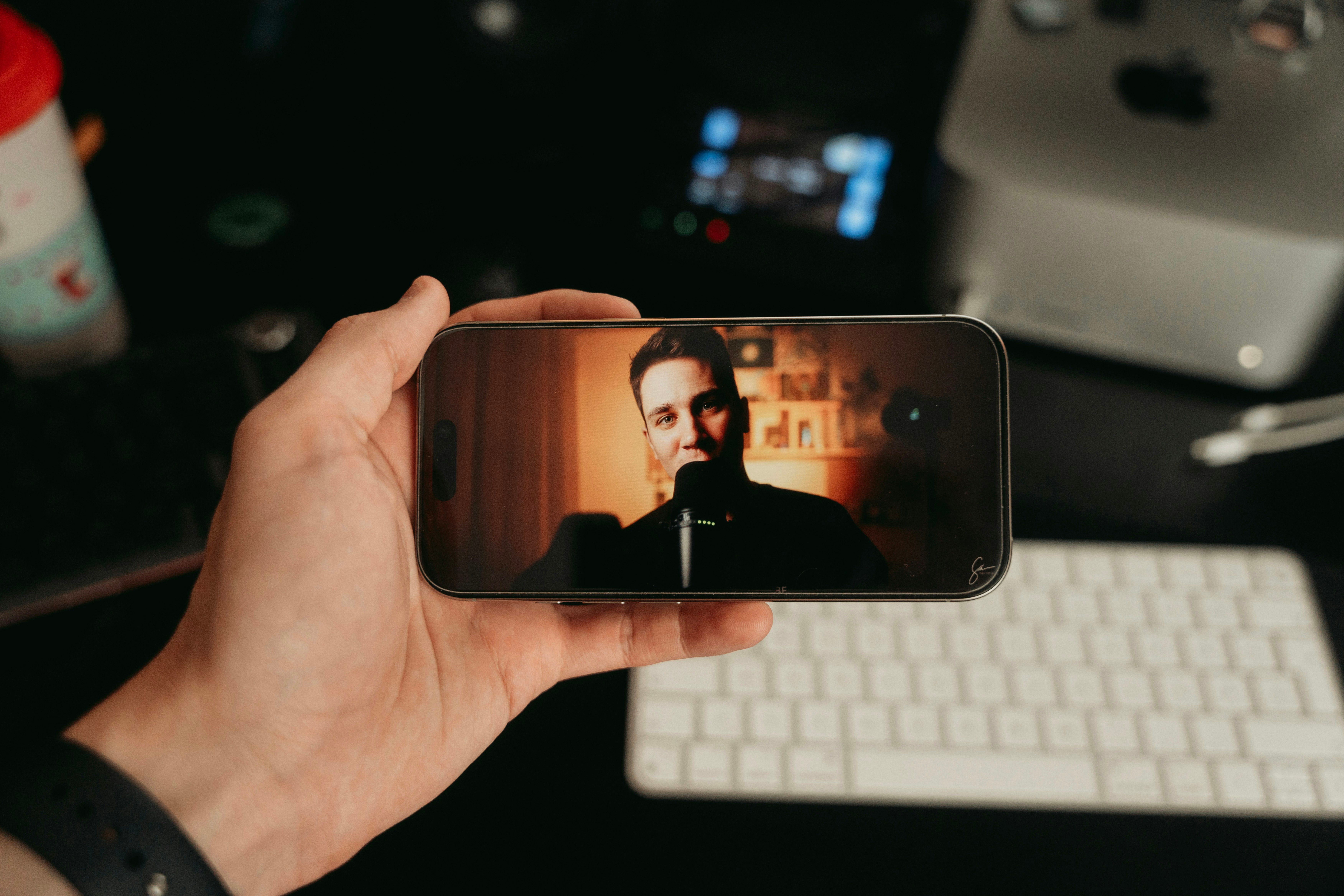
You cannot go. The permit, the ticket, the days off, the money — one of them or all of them make it impossible. So you will be on a phone screen instead, and you already know it will not be the same.
It will not be the same. But there is a large difference between being a frozen face in someone's pocket and actually being there, and almost all of that difference is arranged before the day, not on it.
Ask one person to be yours
This is the single most important thing in this article.
Do not leave it to whoever happens to have a free hand. Ask one specific person, in advance, to be the one who carries you. A cousin. A nephew. Someone young, comfortable with a phone, and not central to the ceremony.
Say it plainly: "Will you hold the phone for me that day? I want you to be my eyes."
Someone who has agreed to a job does it. Someone who was handed a phone in the middle of a wedding puts it down after four minutes.
Arrange these things before the day
- Agree the exact time to call, in both countries' clock times, written down
- Ask them to charge the phone fully that morning, and to bring a power bank
- Check whether the venue has wifi, and if not, that they have enough mobile data
- Ask them to test a call with you from the actual place, a day or two before if they can
- Agree a backup — a second person and a second number, in case the first phone dies
- Tell them what you most want to see, because they cannot guess
That last one matters more than people expect. Say it out loud: "I want to see my mother's face when they arrive." "I want to hear the vows, I do not need to see the food." Give them one or two things to aim for and they will get them.
Where you should be placed
Ask to be set on a table or a chair facing the room, not carried around the whole time. Constant movement makes people seasick and drains the battery.
The good pattern is simple. Propped up and steady for the ceremony. Carried for a few minutes at a time when someone wants to greet you. Propped up again.
And ask for the phone to be turned toward people, not toward the ceiling. Half of these calls are an hour of someone's roof.
Ask permission first
In many families and many traditions, a phone during the ceremony itself is not welcome. At a funeral especially, what is acceptable varies enormously between communities and even between families.
Ask an older relative before you assume. If the answer is no for the ceremony, ask for the parts around it — the preparation, the meal, the greetings afterwards. Those are often where the real closeness is anyway.
Funerals need a different plan
Grief is not a schedule. The person you asked to help may be unable to help on the day, and that is not a failure.
- Ask for a short call, not a long one. Ten minutes is enough
- Say what you want to say to the person you have lost, out loud, even over a phone. You will be glad you did
- Ask someone to call you again a few days later, when the house is quiet. That call is often the one that matters most
- If you cannot join at the time, ask for a photo of the place afterwards
You are allowed to grieve from far away. Being on a screen does not make your loss smaller.
If the signal at home is weak
Many families are in villages where the network struggles, and a wedding fills that network with hundreds of phones at once.
- Turn off video and keep audio only. Sound survives a weak signal long after pictures fail
- Ask them to send a recording later instead of fighting a live call
- Agree in advance that if it breaks up three times, you stop and switch to voice messages. Do not spend the whole event redialing
- Ask someone to record the important five minutes on their phone and send it that night
A clear recording of the vows is worth more than a broken live call of the whole ceremony.
Afterwards
Ask for photos and videos in the days that follow, not just on the day. People are busy at an event and generous afterwards.
And call the person whose day it was, alone, a few days later. At the event itself they had two hundred people. Later, they have you.
What you need on your side
A long video call uses real data — a wedding can run for hours. Check what you have before that morning, not during it.
If your plan is small, or you are not sure what it includes, ask us in your own language. Running out halfway through your brother's wedding is not a problem we want you to have.